Explosion-Proof LED Lighting Solutions for Industrial Hazardous Areas
In chemical plants and industrial facilities, lighting is a vital part of your safety system. Hazardous-location lighting rules are designed to prevent ignition from flammable gases, vapors, or dust, as outlined by authorities like OSHA and NFPA.
This guide breaks down the essential requirements and explains why explosion-proof LED fixtures from your trusted
industrial lighting contractor are often the best choice.
You'll find clear guidance on NEC Article 500, the advantages of LED technology, and key safety standards for making informed industrial lighting decisions.
TL;DR — Explosion-Proof LED Lighting Solutions for Industrial Hazardous Areas
- NEC Article 500 classifications guide fixture selection and placement in hazardous areas
- Explosion-proof LED fixtures deliver ignition protection, energy savings, and long service life
- Class I, Division 2 requires sealed, robust luminaires that never become an ignition source
- UL 844 listings—plus IECEx/ATEX for global sites—verify safety and compliance
- Partner with Armor Industrial Services to meet OSHA/NFPA codes and streamline compliance
Understanding Hazardous-Location Lighting Requirements
Hazardous-location lighting requirements are critical for preventing ignition in areas where combustible materials might be present.
The National Electrical Code (NEC) provides essential classifications and installation rules. These guidelines are crucial for selecting and placing the right fixtures.
Adhering to these requirements safeguards your personnel, equipment, and entire facility.
NEC Article 500: Classifying Hazardous Locations
NEC Article 500 categorizes hazardous locations based on the type of hazard present: flammable gases and vapors, combustible dust, or ignitable fibers.
These categories are further organized into Classes (I, II, III) and then into Divisions. These divisions indicate how frequently hazardous concentrations are expected.
Accurate classification is vital. It ensures you select code-compliant fixtures and wiring methods, significantly reducing potential risks.
Class I, Division 2 Lighting Standards Explained
Class I, Division 2 locations are areas where flammable gases or vapors are typically contained. Hazardous concentrations are only expected under unusual conditions.
Lighting fixtures in these environments must be designed to prevent ignition. This is often accomplished using sealed housings, robust gasketing, and explosion-proof construction.
Crucially, the lighting system itself must never become a source of ignition.
Why Explosion-Proof LED Lighting is Ideal for Industrial Sites
Explosion-proof LED lighting is an excellent choice for industrial sites. It offers code-compliant protection alongside significant energy and maintenance savings.
These durable fixtures withstand harsh environments, reduce operational costs, and help facilities meet stringent safety standards for hazardous locations.
Key Benefits of Explosion-Proof LED Fixtures
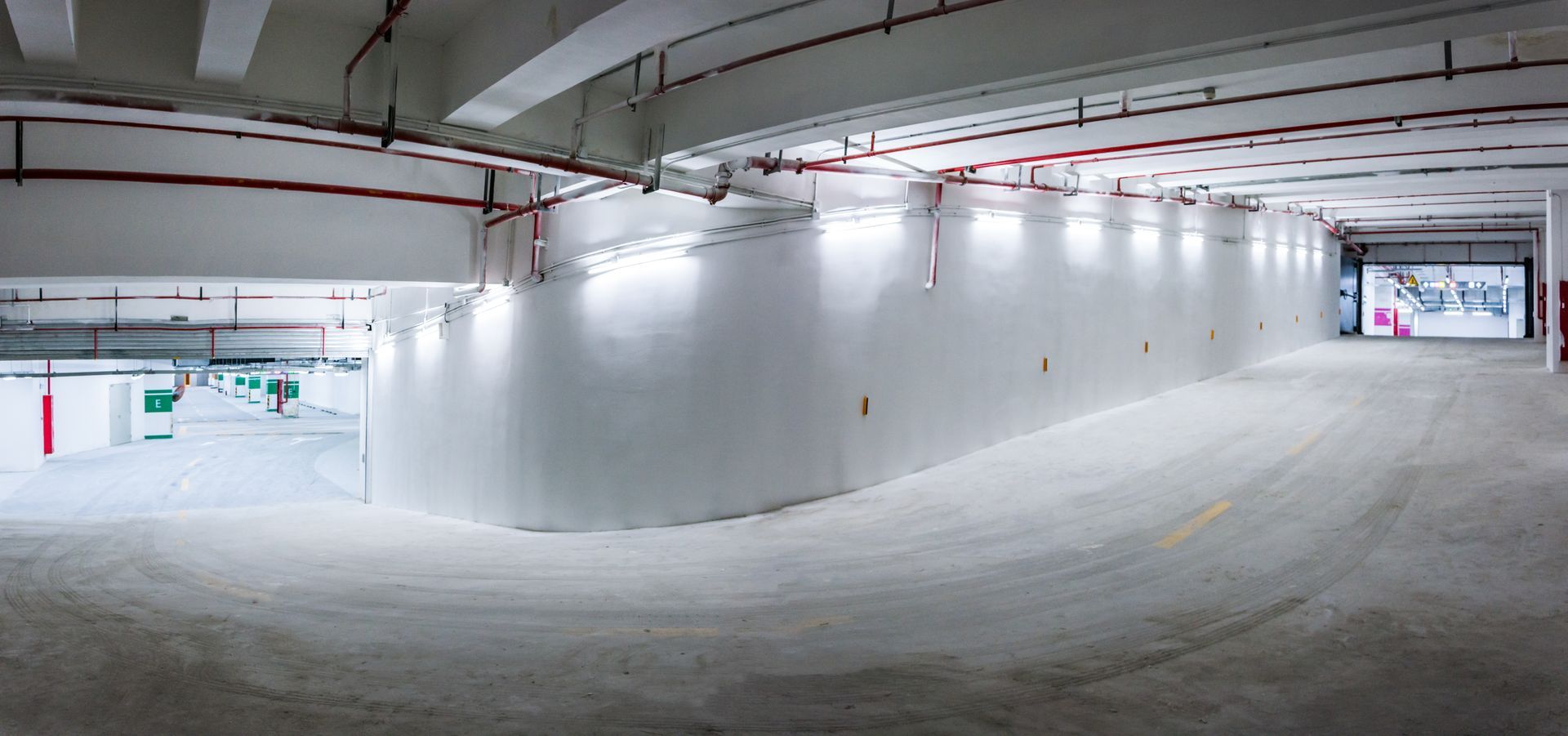
- Energy Efficiency: LEDs consume considerably less power than older HID or fluorescent systems, reducing utility costs without compromising light quality.
- Durability: Built for demanding environments, these fixtures resist vibration, extreme temperatures, and contaminants, extending their lifespan and reducing maintenance.
- Enhanced Safety: Explosion-proof enclosures and certified components minimize ignition risks, helping you meet code and protect your workforce.
These combined benefits make upgrading to explosion-proof LED lighting a smart investment for industrial operations.
UL 844 Certification: Ensuring Safety and Compliance
UL 844 is a crucial U.S. certification for hazardous-location lighting. It confirms that fixtures have been rigorously tested for safe performance in potentially explosive atmospheres.
Choosing UL 844-listed products provides facility managers with confidence. It ensures lighting will perform predictably in hazardous conditions and meet all inspection requirements.
Additionally, international standards and testing protocols, such as IECEx and ATEX, offer further assurance for facilities adhering to global or export regulations.
Explosion-Proof LED Lighting Safety & Standards for Industrial Facilities
Explosions from flammable gases, dust, vapors, or chemicals can cause significant harm to people and property. Equipment used in hazardous zones must meet international benchmarks such as IEC 60079 to reduce the chance of ignition. As demand for gas-handling facilities grows, so does the need for reliable explosion-proof products. Analytical methods—including thermal, impact-resistance, drop, explosion-pressure, and overpressure analyses—are used to evaluate Ex 'd' type LED worklights without the high cost of repeated physical prototyping. These studies help optimize designs so explosion-proof fixtures deliver predictable, certified performance.
Analytical evaluation of explosion-proof safety based on international standards for Ex 'd' type LED worklights, I Lee, 2020
Armor Industrial Services: Expert Hazardous-Location Lighting Installation in North Georgia
At Armor Industrial Services, we specialize in safe and compliant lighting installations throughout North Georgia.
Our process involves thoroughly assessing your facility, recommending optimal products, and executing installations that meet both code requirements and your operational needs.
We balance safety, operational uptime, and long-term cost-effectiveness in every project.
Our Industrial Lighting Services in Lawrenceville and Gwinnett County
- Hazardous-Location Lighting: We supply and install explosion-proof fixtures and components fully compliant with NEC classifications.
- LED Retrofits: Upgrade outdated lamps and ballasts to energy-efficient LED systems, significantly reducing energy consumption and maintenance.
- Custom Lighting Solutions: We design tailored lighting layouts that perfectly match your operational processes, code requirements, and maintenance strategies.
Our solutions not only meet stringent safety standards but also enhance visibility and reduce overall operational costs.
Ensuring NEC and OSHA Compliance Through Expert Project Management
Effective project management is key to ensuring installations stay on schedule and fully code-compliant.
Our dedicated project managers meticulously coordinate every step: from permitting and product selection to installation workflows. They also oversee all necessary testing and documentation to meet NEC and OSHA requirements.
This thorough approach minimizes rework, prevents inspection delays, and significantly reduces exposure to regulatory risks.
Essential Safety Standards and Compliance for Industrial Lighting
Understanding hazardous-location standards is crucial for safe industrial lighting design and operation.
These codes and guidelines establish clear expectations for product selection, installation, and ongoing maintenance, ensuring your lighting systems remain safe throughout their lifespan.
OSHA and NFPA: Impact on Chemical Plant Lighting
OSHA regulations prioritize worker safety and secure workplace environments, while NFPA standards focus on fire and explosion prevention in hazardous areas.
Alongside the NEC, these authorities collectively shape lighting system requirements. They dictate how systems are specified, installed, and maintained within chemical plants.
Navigating Challenges in Hazardous-Location Lighting Compliance
Achieving compliance can be complex. Facility managers frequently encounter:
- Complex and Overlapping Standards: Multiple codes and varying interpretations can complicate compliance planning, as detailed in various industry publications and guides.
- Fixture Selection: Balancing code adherence, performance needs, and budget requires careful, informed product choices.
- Installation and Maintenance: Correct mounting, sealing, and consistent inspections are vital for maintaining system compliance and safety.
These challenges become manageable when partnering with experienced professionals who understand both regulatory codes and real-world operational demands.
| Safety Standard | Description | Impact Level |
|---|---|---|
| NEC Article 500 | Classifies hazardous locations and sets lighting and wiring requirements | High |
| OSHA Regulations | Worker-safety rules that affect equipment and work practices in hazardous areas | High |
| NFPA Standards | Guidance on fire prevention and safe practices for hazardous environments | Medium |
A thorough understanding and application of these standards form the bedrock of a safe, code-compliant lighting system in hazardous environments.
By choosing explosion-proof LED fixtures and partnering with an experienced
Gwinnett County industrial lighting contractor like Armor Industrial Services, facility managers can significantly enhance safety, reduce operating costs, and ensure continuous compliance with industry standards.
Conclusion
Proper hazardous-location lighting is indispensable for protecting both personnel and assets in chemical plants and industrial facilities.
When correctly selected and installed according to relevant codes, explosion-proof LED solutions provide unparalleled safety, efficiency, and lower lifecycle costs.
Partnering with Armor Industrial Services offers a clear and practical path to achieving compliant, reliable lighting tailored precisely to your facility’s unique needs.
Contact us to discover how our solutions can meet your site’s specific lighting and safety requirements today.